

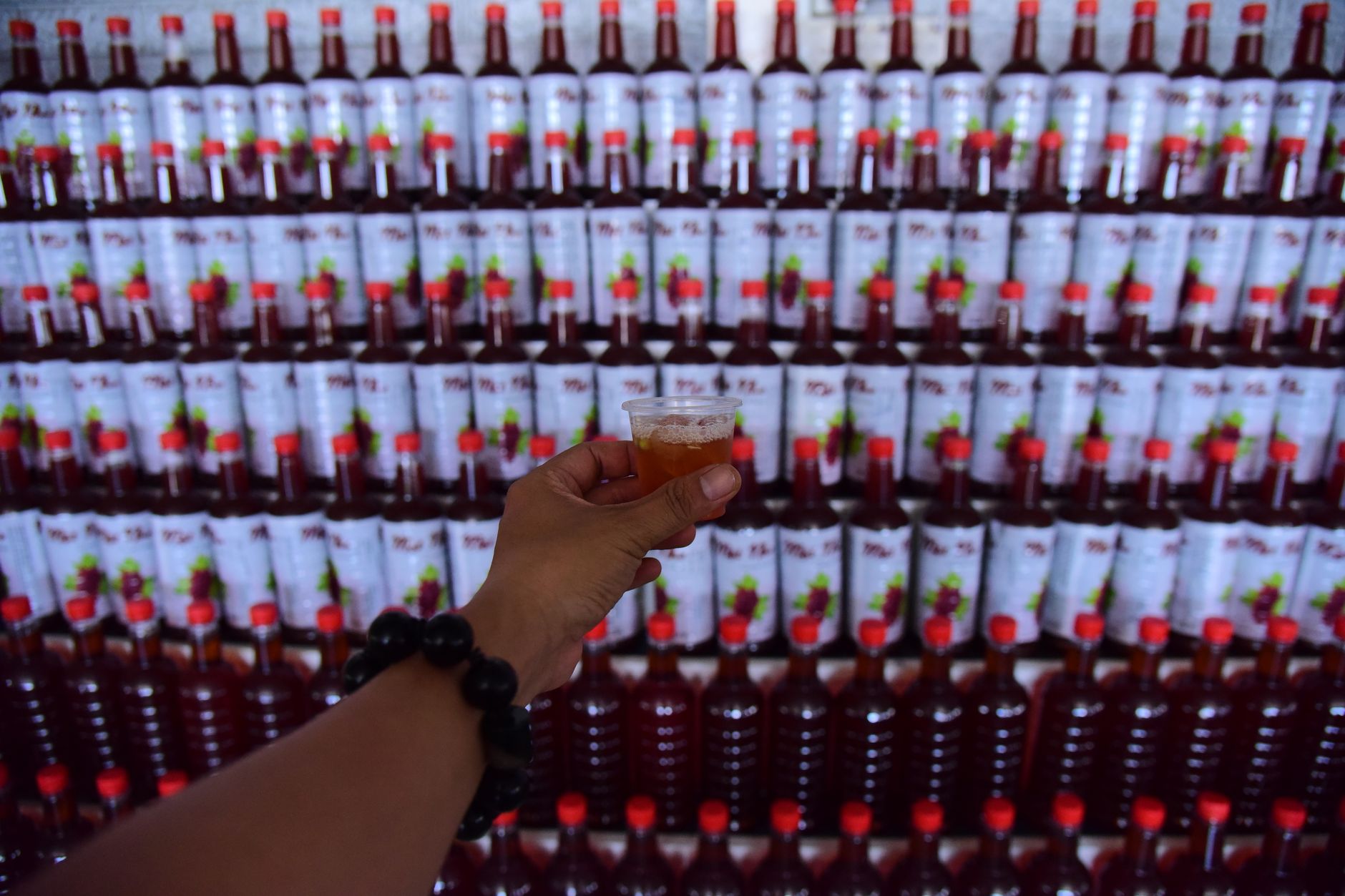
India alcohol consumption is on the rise as US and China drink less. This shift in drinking habits could reshape the global beverage industry and economic landscape.
Current Trends in Global Alcohol Consumption
In recent years, the landscape of global alcohol consumption has undergone significant changes, with notable trends emerging from various countries. While traditional powerhouses like the US and China have seen a decline in their drinking habits, India has been experiencing a remarkable increase in alcohol consumption. This shift is attributed to several factors that are shaping the drinking culture in the country.
One of the primary drivers of this trend is the growing urbanization in India, which has led to increased disposable incomes and a burgeoning middle class. As more people relocate to cities, they are more likely to engage in social drinking, contributing to the rise in overall alcohol consumption.
Moreover, changing societal norms surrounding alcohol are also playing a crucial role. In many regions, alcohol is becoming more socially accepted, particularly among younger generations. This demographic shift is characterized by a taste for a variety of alcoholic beverages, including beer, wine, and spirits.
Furthermore, the expansion of the hospitality sector, with more bars and restaurants opening, has made alcohol more accessible than ever. As India alcohol consumption continues to rise, it presents both opportunities and challenges for public health policy and industry stakeholders alike.
Impact of US and China Drinking Less
The changing drinking habits in major economies are reshaping the global alcohol landscape. As the United States and China report a decline in alcohol consumption, India emerges as a significant player in the market. The impact of these shifts is profound, particularly as India alcohol consumption begins to rise.
In the US, a growing health consciousness has led to a reduction in drinking, especially among younger demographics. Many are opting for healthier lifestyles, contributing to a notable decrease in alcohol sales. Similarly, China has witnessed a decline as younger consumers lean towards moderation and alternative beverages.
In stark contrast, India’s alcohol consumption has shown a marked increase. This trend can be attributed to several factors, including:
- Urbanization: Rapid urban growth has led to changing social norms and increased access to alcohol.
- Economic Growth: Rising disposable incomes allow more individuals to indulge in leisure activities, including drinking.
- Cultural Shifts: Alcohol is increasingly accepted in social settings, particularly among the younger generation.
As a result, experts predict that India will continue to play an increasingly vital role in the global alcohol market, potentially offsetting declines in other regions.
Why is India Drinking More?
The rising trend of alcohol consumption in India can be attributed to several factors that reflect changing societal norms and economic conditions.
- Urbanization: As more people move to urban areas, access to bars and restaurants has increased, leading to greater social drinking occasions.
- Economic Growth: With a growing economy, disposable incomes have risen, allowing individuals and families to spend more on leisure activities, including alcohol.
- Changing Attitudes: Traditional views on alcohol are shifting, particularly among younger generations, who are more open to drinking as a form of social expression.
- Influence of Global Culture: Exposure to international media and lifestyles has normalized alcohol consumption, making it more acceptable in various social settings.
- Marketing Strategies: Aggressive marketing by alcohol brands has successfully captured the interest of consumers, promoting a wide range of products tailored to local tastes.
These factors combined have resulted in a notable increase in India alcohol consumption, positioning the country as a significant player in the global alcohol market. As the trend continues, it will be crucial to monitor its implications on health and social behavior.
Economic Implications of Rising Alcohol Sales in India
The rise in alcohol consumption in India has significant economic implications that cannot be overlooked. As more Indians embrace drinking as a part of their social fabric, the alcohol industry is witnessing a remarkable boom.
In 2023, India alcohol consumption is not just a trend; it has evolved into a critical sector contributing to economic growth. The increasing sales of alcoholic beverages have led to:
- Job Creation: The alcohol industry is creating numerous jobs across various sectors, from manufacturing to retail. This helps in reducing unemployment rates in urban and rural areas.
- Tax Revenue: Governments are reaping the benefits of higher tax revenues from alcohol sales, which can be reinvested in public services such as health and education.
- Boosting Local Economies: With the rise of local breweries and distilleries, communities are seeing an influx of investment and tourism, thereby stimulating local economies.
- Changing Retail Landscape: The increase in demand for alcohol is transforming retail spaces, leading to the emergence of specialized liquor stores and bars.
However, while these economic benefits are noteworthy, the societal implications of rising alcohol consumption must also be carefully considered.
Cultural Shifts in Indian Drinking Habits
Cultural shifts in Indian drinking habits have become increasingly apparent as India alcohol consumption rises. Traditionally, alcohol was often viewed with skepticism within various communities, but modern influences are reshaping perceptions. Today, younger generations are embracing alcohol as part of social interactions, leading to a notable change in drinking culture.
This transformation can be attributed to several factors:
- Globalization: Exposure to international lifestyles through travel and media has introduced diverse drinking practices and norms.
- Social Media: Platforms like Instagram and Facebook promote social drinking as a lifestyle choice, encouraging the younger demographic to partake.
- Urbanization: As more individuals migrate to cities, the blending of cultures fosters a more liberal attitude towards alcohol consumption.
- Changing Gender Roles: Women are increasingly partaking in social drinking, challenging traditional norms and contributing to the rise in overall alcohol consumption.
Moreover, the rise of craft breweries and premium liquor brands has made alcohol more accessible and appealing. This evolving landscape reflects a broader acceptance of alcohol as a social lubricant, marking a significant departure from the past. As these cultural shifts continue, the future of drinking habits in India is likely to evolve even further.
Comparative Analysis of Global Alcohol Markets
In the landscape of global alcohol markets, India emerges as a significant player, particularly as alcohol consumption trends shift. While countries like the United States and China have recorded declines in their drinking habits, India has witnessed a notable increase in alcohol consumption, establishing itself as a rising market. This comparative analysis highlights key distinctions and trends in global drinking patterns.
Some critical factors influencing the comparative landscape include:
- Demographics: India has a youthful population, with a significant portion of its citizens being of drinking age. This demographic trend contributes to a larger consumer base for alcoholic beverages.
- Urbanization: Rapid urbanization in India has changed social norms and increased access to a variety of alcoholic products, making consumption more common in metropolitan areas.
- Policy Changes: Relaxation of regulations regarding alcohol sales in certain states has further fueled growth in the Indian market, contrasting sharply with stricter policies in countries like China.
- Cultural Acceptance: A gradual shift in cultural attitudes towards alcohol has led to more social acceptance of drinking, particularly among younger generations.
As a result, India alcohol consumption is projected to continue its upward trajectory in 2023 and beyond, reflecting these dynamic shifts within the global alcohol landscape.
Future Projections for Alcohol Consumption
As global patterns of alcohol consumption evolve, future projections for India alcohol consumption indicate a significant upward trend. Several factors contribute to this forecast, which experts believe will shape the alcoholic beverage market in the coming years.
Firstly, the increasing urbanization in India is expected to play a crucial role. As more individuals move to cities, they gain access to a wider variety of alcoholic beverages and social settings that encourage drinking. Additionally, the younger demographic, which is rapidly growing, is likely to embrace alcohol consumption as part of their lifestyle, influenced by global trends and peer behaviors.
Moreover, changes in legislation and increased availability of alcohol in various regions are anticipated to stimulate growth. State governments are gradually relaxing restrictions, leading to a more liberal alcohol market. This accessibility is expected to boost consumption rates further.
Furthermore, marketing strategies targeting the millennial generation and the rise of premium alcoholic products may alter consumer preferences. The rise of craft breweries and local spirits is likely to enhance the diversity of choices available, making alcohol consumption more appealing.
In summary, the future of India alcohol consumption appears to be on an upward trajectory, influenced by urbanization, demographic shifts, legislative changes, and evolving consumer preferences.
Consumer Preferences in the Beverage Industry
As the global beverage industry evolves, consumer preferences are shifting dramatically, with India alcohol consumption emerging as a notable trend. The Indian market has seen a surge in demand for both traditional and innovative alcoholic beverages, reflecting a broader acceptance of drinking among diverse demographics.
Key factors influencing these preferences include:
- Urbanization: Rapid urban growth has led to changing lifestyles, fostering a culture where social drinking is increasingly common.
- Young Population: With a significant percentage of the population under the age of 30, younger consumers are experimenting with various alcohol options, from craft beers to premium spirits.
- Changing Attitudes: There is a noticeable shift in societal attitudes towards alcohol, with greater acceptance of drinking as part of social gatherings.
- Innovative Marketing: Brands are tailoring their marketing strategies to resonate with Indian consumers, emphasizing lifestyle and experience over mere consumption.
Furthermore, regional variations in preferences highlight the diversity of the Indian market, as local customs and tastes influence what consumers choose to drink. This dynamic landscape suggests that the rise in India alcohol consumption is not just a fleeting trend, but a significant shift in the beverage industry that warrants close attention.
Recent studies indicate that India alcohol consumption has seen a significant rise among younger demographics, reflecting changing social norms. This increase in India alcohol consumption is raising both health and regulatory concerns among policymakers.
Photo by Sóc Năng Động on Pexels
Sources
You might also like
Viant Technology earnings: Best Proven Results for Investors · Nifty Holds 25000: Smart Investor Strategies for Cautious Trading · IREDA shares performance shows quick recovery despite fall

