

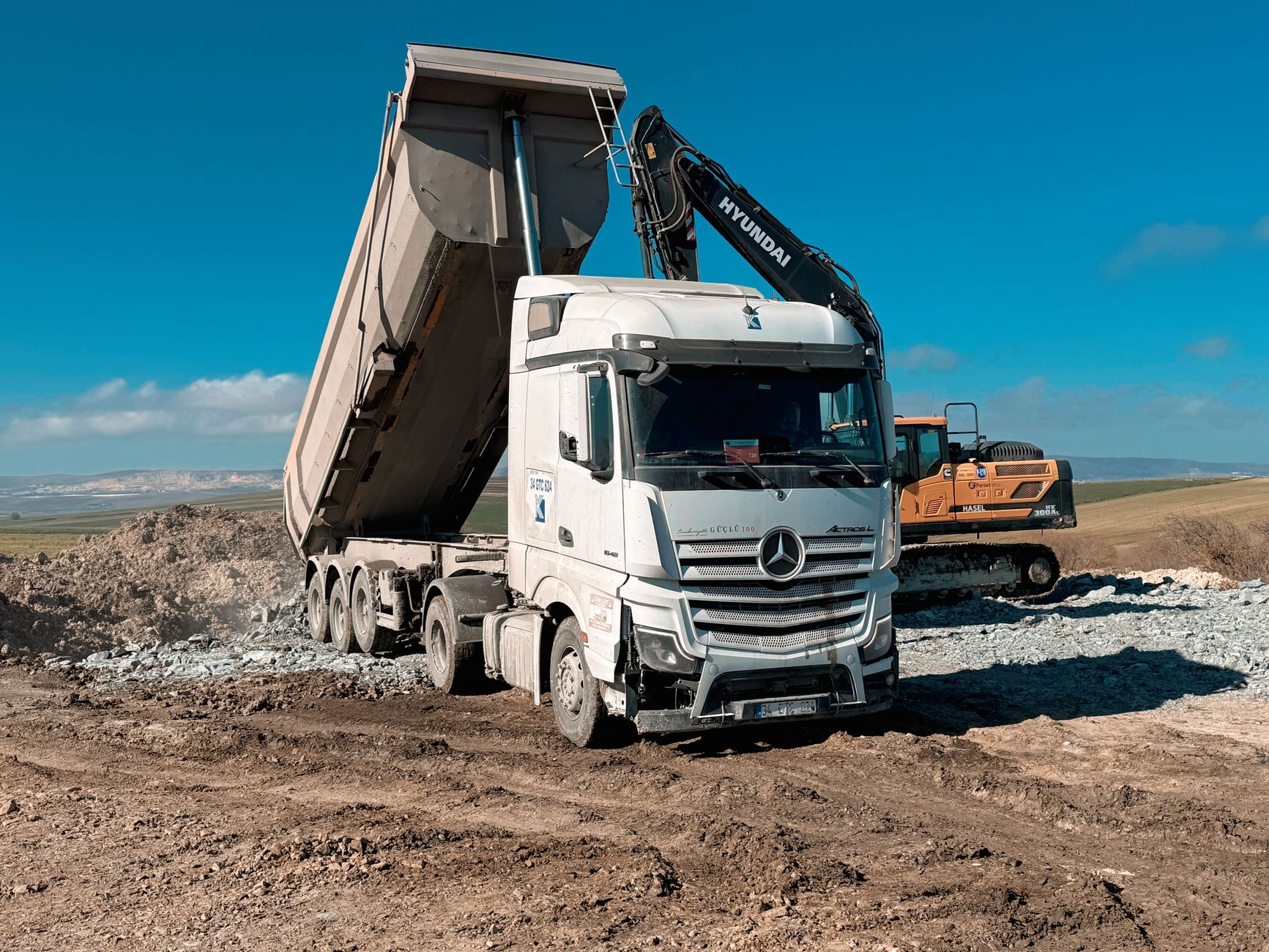
EU anti-dumping duty has been imposed on steel imports from India and four other countries, marking a significant shift in trade policy.
Overview of the EU Anti-Dumping Duty
The European Union has recently implemented a 9.5% anti-dumping duty on steel imports from India and four other countries. This decision is part of the EU’s ongoing efforts to protect its domestic steel industry from unfair competition posed by imported steel products sold at below market value. The EU anti-dumping duty aims to level the playing field for European manufacturers who may struggle to compete with these lower-priced imports.
Anti-dumping measures are not new for the EU, as they have been a crucial tool for safeguarding local industries against predatory pricing practices. The imposition of such duties often triggers a complex legal and economic response among affected countries. In this case, India and the other nations impacted by the new duty will need to assess their export strategies and consider possible adjustments to their pricing models.
Furthermore, the EU’s decision highlights ongoing tensions in global trade relations, particularly in the steel sector. Stakeholders, including manufacturers and policymakers, are closely monitoring the situation, as the long-term implications of the EU anti-dumping duty could reshape international steel trade dynamics.
Impact on Indian Steel Exports
The recent imposition of a 9.5% anti-dumping duty by the EU on steel imports from India has raised significant concerns among exporters and industry stakeholders. This duty aims to level the playing field for European manufacturers, but its repercussions on Indian steel exports could be substantial.
Indian steel producers, who have been increasingly reliant on the European market, may face challenges in maintaining their competitiveness. The additional costs imposed by the EU anti-dumping duty could lead to a decrease in demand for Indian steel, prompting exporters to reconsider their pricing strategies.
Industry experts have pointed out several potential impacts:
- Reduced Export Volume: Indian steel exports to the EU may decline as prices rise due to the duty.
- Market Diversification: Exporters might seek to enter alternative markets to mitigate losses.
- Investment in Quality: To counteract the duty, Indian manufacturers may invest in enhancing product quality and innovation.
While the EU’s anti-dumping measures aim to protect local industries, the long-term effects on Indian steel exports remain to be fully realized.
Responses from Affected Countries
The recent imposition of a 9.5% EU anti-dumping duty on steel imports from India, along with three other countries, has elicited varied responses from the affected nations. Many stakeholders are expressing concerns over the potential economic ramifications of this decision.
- India: Indian steel manufacturers have voiced their apprehension, arguing that the duty could significantly impact their competitiveness in the European market. Industry leaders are calling for a reevaluation of the anti-dumping duty, stating that it undermines fair trade practices.
- China: China, which is also affected by similar duties, has responded by emphasizing the need for dialogue with the EU. Chinese officials have stated that they wish to engage in discussions to address the concerns over pricing and market practices.
- Turkey: Turkey’s steel industry is concerned that the EU anti-dumping duty could lead to a domino effect, prompting other countries to impose similar measures. Turkish exporters are exploring alternative markets to mitigate the financial impact.
- Vietnam: Vietnamese officials are analyzing the situation closely, as they fear that the duty may discourage investment in the steel sector and hinder growth.
Economic Implications for the EU
The implementation of the EU anti-dumping duty could have significant economic implications for the European Union. By imposing a 9.5% tariff on steel imports from India and other affected countries, the EU aims to protect its domestic industries from what it perceives as unfair competition. This measure is expected to lead to a variety of changes in the steel market within the region.
First, domestic steel producers may benefit from reduced competition, potentially leading to higher prices for consumers. This could impact various sectors relying on steel, such as construction and manufacturing, which might face increased costs in their supply chains.
Additionally, the duty could encourage suppliers to seek alternative markets, thereby reshaping global trade dynamics. The affected countries may respond by enhancing their local industries or negotiating trade agreements that could offset the EU’s tariffs.
Moreover, the long-term effects of the EU anti-dumping duty may include a shift in investment patterns, as companies weigh the risks associated with exporting to the European market against the potential for growth in other regions.
Overall, while the duty aims to bolster EU industries, its broader economic implications remain to be fully understood.
Future of Trade Relations with India
The recent implementation of the EU anti-dumping duty has raised significant questions about the future of trade relations between the European Union and India. As the EU imposes a 9.5% duty on steel imports from India, the nuances of this decision could reshape the landscape of bilateral trade.
Trade experts suggest that this move may lead to a reevaluation of existing agreements and negotiations between the two entities. Key considerations include:
- Increased Tensions: The duty may foster diplomatic strains, as India views this as a protective measure against its exports.
- Countermeasures: India could retaliate with its own tariffs on EU goods, escalating trade disputes.
- Sectoral Impact: The steel industry in India may suffer, prompting a shift in focus to other markets or sectors.
- Investment Shifts: Potential investors may reconsider their strategies based on the evolving trade dynamics.
Ultimately, the future of trade relations with India will hinge on diplomatic negotiations and the ability of both parties to address concerns surrounding the EU anti-dumping duty while fostering mutual economic growth.
Photo by celal keser on Pexels