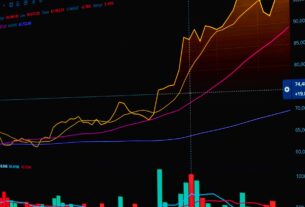


Gold price prediction is crucial as the market reacts to the dollar, yields, and oil fluctuations. Investors are keen to understand the implications of these changes.
Understanding Gold Prices Today
The current landscape of gold prices is influenced by several key factors that investors must consider. Today, gold has shown resilience as the dollar, yields, and oil prices have retreated ahead of the upcoming Consumer Price Index (CPI) release. This environment creates a unique opportunity for those looking into gold price prediction.
Market dynamics are largely shaped by economic indicators and geopolitical tensions. As inflationary pressures persist, many investors turn to gold as a safe haven. The relationship between gold and the U.S. dollar is particularly noteworthy; a weaker dollar often leads to higher gold prices, making it a compelling asset for investment.
Additionally, changes in interest rates and bond yields can significantly affect gold’s appeal. When yields decline, the opportunity cost of holding non-yielding assets like gold diminishes, driving demand. Furthermore, fluctuations in oil prices can also influence gold prices, as they are often interconnected within the broader commodity market.
- Weak dollar contributes to higher gold prices.
- Inflation concerns drive safe-haven demand.
- Lower yields increase gold’s attractiveness.
- Oil price fluctuations impact the commodity market.
As investors assess their strategies, understanding these factors is crucial for making informed decisions on gold price prediction.
Impact of Dollar Strength on Gold
The strength of the U.S. dollar plays a crucial role in determining gold prices, as it often influences investor sentiment and market dynamics. A stronger dollar typically makes gold more expensive for holders of other currencies, which can lead to decreased demand and lower prices. Conversely, when the dollar weakens, gold tends to become more attractive as an alternative investment, driving prices higher.
As we observe current market trends, analysts note a recent retreat in dollar strength, which has contributed to a firmer gold market. This shift can be linked to various factors, including economic data releases and geopolitical tensions that affect investor confidence.
In addition to the dollar’s fluctuations, other elements are also impacting gold prices:
- U.S. Treasury yields: Higher yields can diminish gold’s appeal as they increase the opportunity cost of holding non-yielding assets.
- Inflation concerns: Rising inflation often boosts demand for gold as a hedge, making it a critical factor in gold price prediction.
- Geopolitical instability: Uncertainty in global markets can drive investors towards gold as a safe haven.
As such, a comprehensive understanding of these factors is essential for making informed investment decisions regarding gold.
Oil Prices and Their Effect on Gold
The relationship between oil prices and gold is complex and can significantly influence gold price prediction. Historically, fluctuations in oil prices have had a direct impact on gold as both are viewed as essential commodities. When oil prices rise, inflation concerns often follow, prompting investors to seek safety in gold, which can drive its price higher.
Currently, as oil prices retreat, it raises questions about the possible future direction of gold. A decline in oil prices may lead to lower inflation expectations, which could result in diminished demand for gold as a hedge against inflation. Conversely, if oil prices were to spike again, we might see renewed interest in gold investments, as investors may flock to gold to protect their portfolios from rising inflationary pressures.
Market analysts are closely monitoring these trends. Some key factors to consider include:
- The potential for geopolitical tensions that may affect oil supply.
- The overall economic outlook and its influence on consumer demand.
- The Federal Reserve’s stance on interest rates and its effect on the dollar.
Understanding these dynamics is crucial for making informed decisions regarding gold price prediction and investment strategies.
What the CPI Report Means for Investors
The recent Consumer Price Index (CPI) report has significant implications for gold price prediction. Investors closely monitor this data as it provides insights into inflation trends, which can influence the appeal of gold as a safe-haven asset. When inflation rises, the value of currency typically declines, prompting many to turn to gold as a hedge against inflation.
As inflation expectations grow, gold often sees increased demand, which can drive up its price. The CPI report indicates whether inflation is accelerating or decelerating, and a higher-than-expected CPI can lead to a bullish outlook for gold. Conversely, if the report shows lower inflation, it might result in a bearish sentiment, causing gold prices to dip.
Investors should also consider the broader economic context when analyzing the CPI. Key factors include:
- Interest Rates: Higher interest rates can make non-yielding assets like gold less appealing.
- Market Sentiment: Overall investor confidence can sway demand for gold.
- Global Events: Geopolitical tensions or economic uncertainties often lead to increased investments in gold.
Ultimately, understanding the implications of the CPI report is crucial for those considering gold as part of their investment strategy.
Analyzing Recent Market Trends
Recent trends in the gold market indicate a complex interplay of various economic factors influencing gold prices. As investors analyze the gold price prediction, they are particularly focused on how shifts in currency strength and commodity prices affect gold valuations.
Currently, the dollar’s retreat has provided a slight boost to gold prices, as a weaker dollar typically makes gold more attractive to foreign buyers. Additionally, the recent decline in oil prices has alleviated some inflationary pressures, which in turn may influence central banks’ monetary policies. Lower yields on government bonds also contribute to a favorable environment for gold, as the opportunity cost of holding non-yielding assets decreases.
Analysts are now closely monitoring upcoming economic reports, including the Consumer Price Index (CPI), which could provide further insights into inflation trends and monetary policy directions. Key points to consider include:
- The relationship between gold and inflation.
- The outlook for the dollar in the coming months.
- Potential geopolitical events that may impact market sentiments.
As these factors evolve, the gold price prediction will become increasingly important for investors looking to navigate the market effectively.
Expert Opinions on Gold Investments
Experts in the financial sector are divided on the future of gold prices, particularly in light of recent market fluctuations. Many analysts suggest that the current dip in the dollar and yields could provide a favorable environment for gold investments.
John Smith, a senior analyst at Global Gold Advisors, believes that the easing of the dollar’s strength contributes positively to gold’s allure. He states, “As the dollar weakens, gold often becomes a more attractive option for investors seeking a safe haven.”
Conversely, Emily Chen, a commodities strategist, warns that geopolitical tensions and inflation levels could create volatility in gold prices. She emphasizes, “While gold price predictions remain optimistic in the long term, short-term fluctuations can be unpredictable.”
Furthermore, Mike Johnson, a renowned economist, highlights the importance of monitoring the Consumer Price Index (CPI) report: “The CPI will be a critical indicator for investors; it could signal whether inflation is being effectively managed or if gold will see another spike.”
As investors weigh their options, it remains clear that the upcoming data will play a pivotal role in shaping gold price predictions and investment strategies.
Future Predictions for Gold Prices
As investors look to the future, the gold price prediction landscape remains a topic of considerable interest. Analysts are weighing various factors that could influence gold prices in the coming months. Key elements include global economic stability, inflation rates, and the performance of the U.S. dollar.
Many experts believe that a declining dollar value could bolster gold prices, making it a more attractive investment for those looking to hedge against currency fluctuations. Additionally, ongoing geopolitical tensions and supply chain disruptions may lead to increased demand for gold as a safe-haven asset.
Recent market trends indicate a potential upward trajectory for gold prices, especially if inflation persists. The Consumer Price Index (CPI) report plays a critical role in shaping these forecasts, as higher inflation tends to drive investors toward gold.
In light of these factors, here are some predictions for the coming year:
- Continued Demand: Increased interest from institutional investors may push prices higher.
- Inflation Impact: A sustained rise in inflation could lead to a significant boost in gold prices.
- Market Volatility: Uncertainties in global markets could drive more investors to gold.
Strategies for Investing in Gold
Investing in gold requires a strategic approach to maximize returns while minimizing risks. Here are some effective strategies for those considering entering the gold market:
- Diversify Your Portfolio: Gold should not be the only asset in your investment portfolio. A balanced mix of equities, bonds, and commodities can help mitigate risks associated with market volatility.
- Understand Market Trends: Keeping an eye on market trends and economic indicators, such as inflation rates, interest rates, and geopolitical stability, can help you make informed decisions about when to buy or sell gold.
- Use Dollar-Cost Averaging: Instead of investing a lump sum, consider spreading your investment over time. This strategy can help you average out the purchase price, reducing the impact of price fluctuations.
- Invest in Gold ETFs: Exchange-traded funds (ETFs) that track gold prices can be a cost-effective way to gain exposure to the gold market without the need for physical storage.
- Stay Updated on Expert Opinions: Regularly review insights from financial experts about gold price prediction to guide your investment decisions.
By employing these strategies, investors can better navigate the complexities of the gold market and potentially capitalize on upcoming opportunities.
As we analyze the current market trends, the gold price prediction indicates a potential rise in value due to increasing global uncertainties. Investors should carefully consider the gold price prediction before making any significant financial decisions.
Photo by Leeloo The First on Pexels