

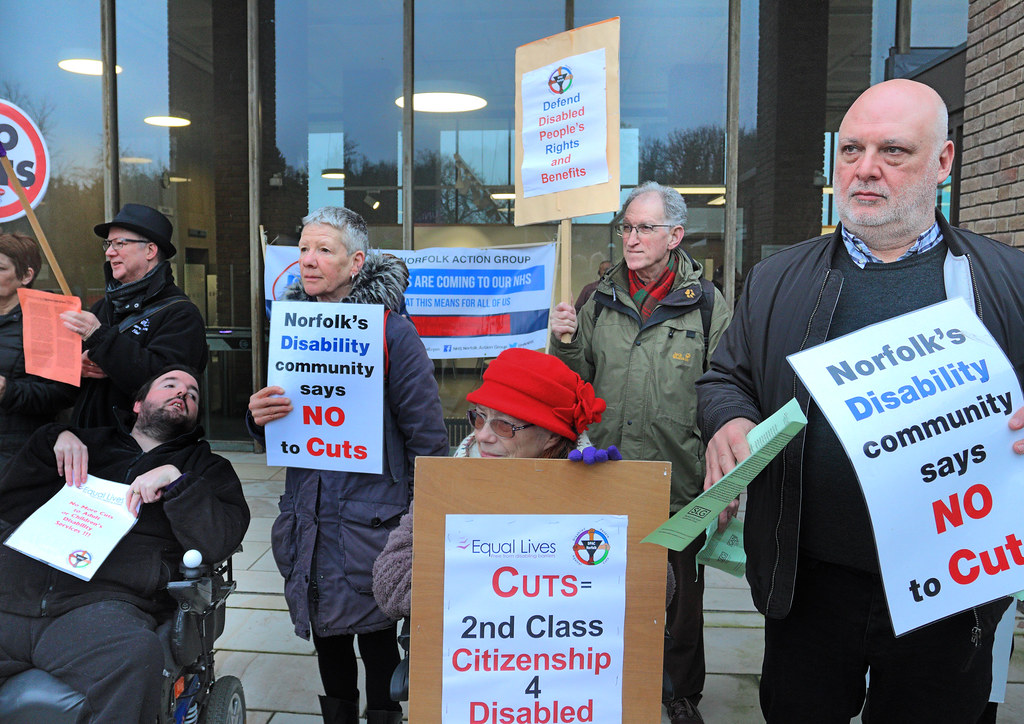
health claims payment is becoming a contentious issue as insurance companies push for policyholders to cover 10% of their claims. This shift raises concerns about affordability and access to healthcare.
Understanding the New Health Claims Payment Policy
In recent developments, insurance companies have introduced a new health claims payment policy that has raised significant concerns among policyholders. This policy mandates that individuals cover 10% of their health claims, a shift that many perceive as detrimental to their financial security.
Understanding the implications of this health claims payment change is crucial for policyholders. The mandatory co-payment could lead to increased out-of-pocket expenses, making healthcare less accessible for many. Policyholders now face the possibility of heightened financial strain, especially those with chronic illnesses or unforeseen medical emergencies.
Critics argue that this policy undermines the purpose of having health insurance. They emphasize the following points:
- Increased Financial Burden: Many policyholders may struggle to pay the additional costs associated with their health claims.
- Access to Care: The need to pay a portion of claims may deter individuals from seeking necessary medical attention.
- Lack of Transparency: Insurers have been criticized for not adequately communicating the reasons behind this policy change.
As this new health claims payment policy unfolds, the long-term effects on policyholders remain to be seen, prompting many to reconsider their insurance options.
Why Are Insurance Companies Changing the Rules?
The landscape of health claims payment is shifting as insurance companies implement new rules that significantly affect policyholders. This change has raised questions about the motivations behind these policies and the impact they will have on individuals seeking coverage.
One major reason for the alteration in health claims payment structures is the increasing cost of healthcare. Insurance companies argue that by requiring policyholders to cover a portion of their claims, they can manage rising expenses more effectively. However, this approach places an additional financial burden on consumers, particularly those already struggling with healthcare costs.
Moreover, insurers are facing pressure from regulatory bodies to maintain profitability while providing comprehensive coverage. To balance these objectives, many companies are adopting strategies that limit their liability, thus changing the traditional dynamics of claims processing.
Additionally, the competitive insurance market is prompting companies to differentiate their policies. By altering health claims payment rules, insurers believe they can attract a more cost-conscious demographic, even if it means sacrificing some level of customer satisfaction.
As these changes unfold, policyholders must navigate the complexities of their insurance agreements and consider the long-term implications of these new rules.
Impact on Policyholders and Their Finances
The recent changes in health claims payment policies have raised significant concerns among policyholders regarding the impact on their financial stability. As insurance companies now mandate that policyholders cover 10% of their health claims, many are questioning whether this is a reasonable adjustment or an unfair burden.
For individuals already grappling with high medical expenses, this new requirement can exacerbate financial strain. Many policyholders may find themselves facing unexpected out-of-pocket costs, leading to potential delays in seeking necessary medical care. This change could disproportionately affect vulnerable populations, including those with chronic illnesses or lower-income families.
- Increased financial burden: Many policyholders could struggle to meet the additional costs, leading to difficult financial decisions.
- Reduced access to healthcare: With more out-of-pocket expenses, some may avoid necessary treatments or consultations.
- Policyholder dissatisfaction: The shift may lead to a decline in trust towards insurance providers, impacting long-term relationships.
As the landscape of health claims payment evolves, it remains crucial for policyholders to stay informed and advocate for their rights to ensure they are not unfairly penalized in their pursuit of health and wellness.
What Experts Say About Health Claims Payments
Experts in the insurance and healthcare fields have expressed concern about the recent changes in health claims payment policies. Many believe that requiring policyholders to cover 10% of their health claims could have significant implications for individuals and families.
Dr. Emily Sanders, a healthcare economist, emphasizes that this shift may disproportionately affect low-income households. She states, “This new requirement could deter individuals from seeking necessary medical care, as the financial burden becomes an additional barrier.”
Moreover, Johnathan Rivers, an insurance analyst, argues that while insurance companies claim this policy will help manage costs, it may lead to increased out-of-pocket expenses for policyholders. He notes, “Health claims payment should ideally alleviate financial stress, not exacerbate it.”
On the other hand, some industry proponents suggest that this change encourages responsible usage of health services. They believe that by sharing the cost, policyholders will make more informed healthcare decisions. However, many experts remain skeptical.
In summary, the consensus among specialists is that the new health claims payment policy could have detrimental effects, with potential risks that far outweigh the perceived benefits.
Alternatives for Policyholders Facing Higher Costs
As insurance companies shift towards requiring policyholders to cover 10% of health claims payments, many are left searching for alternatives to manage their costs effectively. It is essential for policyholders to explore various options that may alleviate the financial burden associated with healthcare expenses.
Here are some potential alternatives:
- Health Savings Accounts (HSAs): These accounts allow individuals to save money tax-free for medical expenses, providing a financial cushion when faced with unexpected health claims.
- High-Deductible Health Plans (HDHPs): While these plans often come with lower premiums, it’s crucial to assess whether the higher out-of-pocket costs align with one’s health needs.
- Supplemental Insurance: Consider purchasing additional coverage to help with expenses not fully covered by primary insurance, which can lessen the impact of health claims payments.
- Negotiate Medical Bills: Policyholders can communicate directly with healthcare providers to negotiate lower charges or payment plans, which can ease the financial strain.
- Explore Government Programs: Many states offer assistance programs for low-income individuals that can help cover healthcare costs.
By being proactive and exploring these alternatives, policyholders can better navigate the increasing costs associated with health claims payments.
Legal Implications of New Payment Structures
The introduction of new payment structures by insurance companies raises significant legal implications for policyholders. These changes, particularly the requirement for policyholders to cover 10% of health claims payment, may lead to confusion and potential disputes. Many policyholders remain unaware of their rights and the legal framework surrounding these new policies.
One key concern is whether these alterations are in compliance with existing insurance regulations. Insurance companies must adhere to state and federal laws, which often dictate how claims should be processed and what costs can be passed onto policyholders. Legal challenges may arise if policyholders feel they are being unfairly burdened by unexpected out-of-pocket expenses.
Moreover, the ambiguity surrounding the interpretation of these new rules can create a breeding ground for litigation. Policyholders may find themselves navigating complex legal terrain, needing expert advice to understand their obligations and rights under the new health claims payment policy. The potential for class-action lawsuits also looms, as groups of policyholders band together to contest the legality of these payment structures.
In summary, the legal implications of the new payment structures could have far-reaching effects on both policyholders and insurance companies, making it essential for everyone involved to stay informed and proactive.
How to Prepare for Changes in Insurance Policies
As insurance companies shift towards a model where policyholders are expected to pay 10% of health claims, it is crucial for individuals to prepare for these changes in insurance policies. Understanding the implications of this new structure is essential for effective financial planning.
Here are some steps policyholders can take to adapt:
- Review Your Policy: Take time to thoroughly read your current health insurance policy. Understanding the terms and conditions will help you anticipate changes that may affect your out-of-pocket costs.
- Assess Your Health Needs: Consider your medical history and future health care needs. This evaluation can help you determine the potential impact of increased costs on your finances.
- Consider a Health Savings Account (HSA): If eligible, an HSA can be a valuable tool for managing out-of-pocket expenses. Funds contributed to an HSA are tax-free and can be used for qualifying health claims.
- Explore Alternative Coverage Options: Research other insurance plans that may offer more favorable terms or lower cost-sharing requirements. This can provide a buffer against rising expenses.
Being proactive about these changes can help policyholders navigate the evolving landscape of health claims payment.
By Roger Blackwell via Openverse