

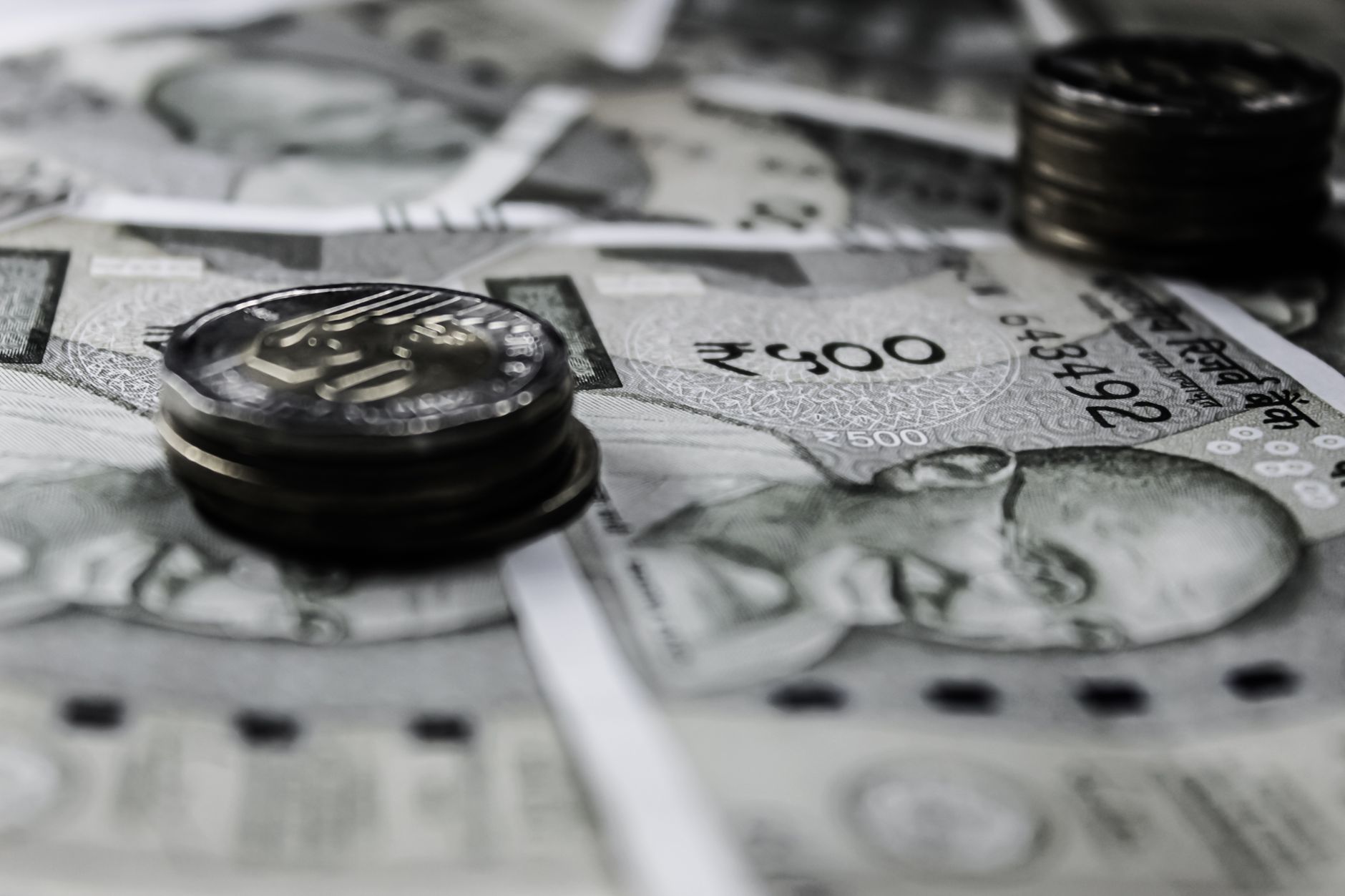
RBI OMO sale is set at Rs 25,000 Cr, aiming to manage liquidity effectively. This move has significant implications for the banking sector and the economy.
Understanding RBI’s OMO Sale
The Reserve Bank of India (RBI) has recently announced an Open Market Operations (OMO) sale, which aims to manage liquidity in the financial system. RBI OMO sale involves the buying and selling of government securities in the market, allowing the central bank to influence the money supply and interest rates.
With the RBI setting a daily Cash Reserve Ratio (CRR) at 99%, the OMO sale is seen as a critical strategy to ensure that banks maintain adequate liquidity levels. This move is expected to help stabilize the market amid fluctuating economic conditions.
Key objectives of the RBI’s OMO sale include:
- Reducing excess liquidity in the system
- Controlling inflationary pressures
- Stabilizing the financial markets
As banks adapt to this strategy, the long-term impact on their operations remains to be seen.
Impact of 99% Daily CRR on Banks
The recent decision by the Reserve Bank of India (RBI) to set a 99% daily Cash Reserve Ratio (CRR) has significant implications for banks. This high CRR level means that banks must maintain a substantial portion of their deposits with the RBI, limiting their ability to lend or invest in other profitable avenues.
As a result, the RBI OMO sale becomes a crucial strategy for banks looking to manage their liquidity effectively. With Rs 25,000 crore earmarked for the OMO sale, banks may find this an opportunity to bolster their portfolios while navigating the challenges posed by the stringent CRR.
In this context, the impact of the 99% daily CRR on banks can be summarized as follows:
- Reduced Lending Capacity: Banks have less money available for loans.
- Increased Reliance on OMO: The RBI OMO sale becomes essential for liquidity management.
- Potential Profitability Pressure: Limited investment options may affect overall earnings.
Expert Opinions on RBI’s Strategy
Experts have shared their insights on the recent RBI OMO sale, emphasizing its implications for the banking sector. According to financial analysts, the decision to conduct an OMO sale amidst a 99% daily Cash Reserve Ratio (CRR) reflects the RBI’s commitment to managing liquidity effectively.
One prominent economist stated, “The RBI OMO sale is a strategic move to ensure that banks maintain adequate liquidity while also controlling inflation.” They argue that such measures could stabilize the financial ecosystem, especially during periods of economic uncertainty.
Moreover, some analysts believe that this approach may lead to a more competitive lending environment. Another expert noted, “By optimizing liquidity through OMO sales, banks may find themselves better positioned to offer attractive interest rates to borrowers.” Overall, the consensus appears to support the RBI’s strategy as a prudent step toward sustaining economic growth.
Future Predictions for Banking Sector
As the banking sector adapts to the implications of the RBI OMO sale, future predictions suggest a complex landscape ahead. Analysts believe that the central bank’s decision to conduct a significant OMO sale could reshape liquidity management strategies among banks.
Key factors influencing the future include:
- Interest Rates: With the OMO sale potentially affecting bond yields, banks may need to reconsider their lending rates.
- Liquidity Position: The ongoing high Daily CRR could compel banks to bolster their liquidity buffers further.
- Regulatory Changes: Continuous adjustments in regulations by the RBI could lead to shifts in banking operations.
Furthermore, as banks navigate these changes, their ability to innovate and adapt will be crucial in determining the long-term effectiveness of strategies like the RBI OMO sale.
How OMO Sales Affect Interest Rates
The RBI OMO sale plays a crucial role in influencing interest rates within the economy. When the Reserve Bank of India conducts these open market operations, it either injects or absorbs liquidity from the banking system, which directly impacts the cost of borrowing for banks.
As banks experience changes in liquidity due to OMO sales, they may adjust their interest rates accordingly. For instance, a decrease in liquidity can lead to higher interest rates as banks strive to maintain their profit margins. Conversely, an increase in liquidity can result in lower interest rates, encouraging borrowing and investment.
In this context, the timing and scale of the RBI OMO sale are critical. A well-timed OMO sale can stabilize interest rates, while poorly executed operations may lead to volatility, affecting both lenders and borrowers in the financial landscape.
Photo by Ravi Roshan on Pexels
Where this came from
BW Businessworld · Rio Morales
Related reading
Thailand departure tax: Is it the worst idea for tourists? · XRP ETF Buyers: Are They Making a Smart Investment? · RBI Interest Rates: Why the Right Move is Proven for Growth